Fox Speedframe Pro Mountain Bike Helmet Review: Who Is It For?
Fox Speedframe Pro mountain bike helmet review covering features, Mips, BOA fit, ventilation, pros and cons, and who should buy it or skip it.
 By bikehelmetsnow editorial team
Updated November 7, 2026
As an Amazon Associate I earn from qualifying purchases. This page may contain affiliate links.
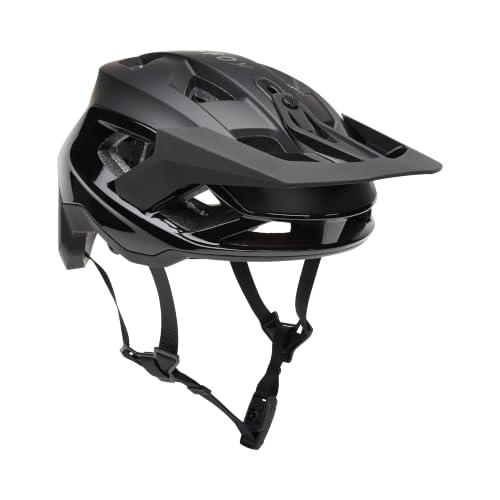
The fox speedframe pro mountain bike helmet is aimed at trail riders who want a lightweight, well-ventilated lid with a secure, adjustable fit and added rotational protection. It suits riders doing cross-country, trail and general all-mountain riding who spend long days on the bike and want something that breathes well on climbs. It is less of a fit for dedicated downhill or enduro riders who need full-face coverage, and for riders who prefer a lower-cost basic helmet without a fit dial or Mips system. Read on for the specs, the trade-offs and a buying checklist before you decide.
Fox Racing Unisex Speedframe Pro Mountain Bike Helmet | Lightweight and ventilated trail helmet with Mips, BOA® fit, and a 5-star safety rating
Product Overview
The Fox Racing Unisex Speedframe Pro is an open-face mountain bike helmet in Fox’s trail lineup. The product listing describes it as a lightweight, ventilated trail helmet with Mips (Multi-directional Impact Protection System), a BOA fit system and a five-star safety rating. Those three points define the model: it aims to combine low weight and airflow with a rotational-impact liner and a fit system that can be tightened with a dial rather than swapping pads.
Fox positions the Speedframe line as a step up from its entry trail helmets. It is built for riders who ride for hours rather than minutes and who want the helmet to stay out of the way when climbing and then hold firmly on rough descents. Because it is unisex, the fit is designed to work across a range of head shapes once sized correctly, though riders with unusually wide or narrow heads should check fit carefully before committing.
It is worth noting how this model relates to the rest of the Speedframe family. The alternative listing in this comparison, the Fox Racing Speedframe Pro Mountain Bike Helmet in Black, Small, is the same product family in a specific colorway and size. If you are choosing between them, the decision comes down to size availability and colorway rather than a different design. For a broader look at Fox’s trail options, see Fox Racing Mountain Bike Helmet Review: Features and Performance and 8 Best Mountain Bike Helmet Fox Options for Trail Riders in 2026.
Key Features & Specifications
The table below lists the features named in the product listing. Where a specification is not stated in the listing, it is left out rather than estimated. Confirm final dimensions, weight and size charts on the manufacturer’s page before ordering.
| Feature | What the listing states | What it means for you |
|---|---|---|
| Helmet type | Mountain bike, trail-focused, open face | Designed for trail and cross-country riding, not full-face downhill |
| Rotational protection | Mips | A liner designed to reduce rotational forces in certain angled impacts |
| Fit system | BOA fit | Dial-adjusted fit that tightens the harness and shell evenly |
| Ventilation | Ventilated design | Airflow channels for cooling during climbs |
| Weight | Lightweight (stated qualitatively) | Lower weight reduces neck fatigue on long rides |
| Safety rating | Five-star safety rating (as stated in listing) | Check the specific certification your region requires (CPSC for US sales) |
| Fit / sizing | Unisex sizing | Measure head circumference and compare to the size chart before buying |
Before relying on any rating, look for the certification label inside the helmet. In the United States, bicycle helmets sold for riders are expected to meet the CPSC bicycle helmet standard, and many trail helmets also carry ASTM F1952 for mountain biking. Manufacturers specify which standards each model meets, and that is the information to trust over marketing language.
Pros & Cons
Pros
- Mips liner adds a layer of rotational-impact protection that many riders look for in a trail helmet.
- BOA dial fit allows fine adjustment without swapping pads and can be re-tightened mid-ride.
- Ventilated shell suits climbing and warm-weather riding.
- Lightweight build is noticeable on multi-hour rides, according to owner feedback patterns.
- Unisex fit range means it can work for a wide group of riders once sized correctly.
Cons
- Open-face design offers less coverage than a full-face helmet for aggressive downhill riding.
- Dial-based fit adds a moving part that some riders prefer to avoid for simplicity.
- Sizing requires careful measurement; owners with unusual head shapes may need to try more than one size.
- Ventilation is generous, which can mean less insulation in cold or wet conditions.
- Premium-tier features make it a bigger commitment than basic entry-level trail helmets.
Performance Analysis
This is a research-based review. It draws on the listed specifications and on common patterns in owner feedback for helmets in this category, rather than on any hands-on testing by the author. Treat the observations below as expectations to verify, not guarantees.
Protection
The defining protective feature is Mips. The system is intended to allow a small amount of relative movement between the shell and the head during an angled impact, which is designed to reduce the rotational load that a standard EPS foam liner does not address on its own. Mips is an add-on layer, not a replacement for meeting the impact standard, so the helmet’s certifications still matter most. Riders should not interpret Mips as a promise of injury prevention in any specific crash.
Fit and Retention
The BOA dial is where most riders notice a difference. Owners commonly report that a dial makes micro-adjustments easy, which helps the helmet sit low and stable on the forehead and reduces the chin-strap hunt that happens with standard buckles. For best results, set the rear retention first, then the front, and check that the helmet does not rock side to side when you shake your head. Consult a qualified bike fitter or a shop technician if you are unsure about your fit.
Ventilation and Comfort
Ventilated trail helmets are generally judged on how well they cool the head during climbs and how much they hold heat on descents. Fox’s ventilation design is intended to move air across the scalp. Riders in hot, humid climates often weigh this feature heavily, while riders in cold, wet regions may find the same openings let in too much air.
Weight and Balance
Lighter helmets reduce the load on the neck over long rides and can feel less top-heavy when you are standing on the pedals. The listing describes the Speedframe Pro as lightweight. Compare the stated weight for your size against other helmets you have considered, since weight varies by size and by how the padding and fit system are built.
Who Should Buy This Product?
This helmet is a good match for riders who:
- Ride cross-country, trail or all-mountain routes and want a helmet that climbs comfortably.
- Want a rotational-impact system (Mips) without moving up to a heavy full-face design.
- Prefer a dial-adjusted fit that can be fine-tuned on the trail.
- Ride in warm or variable conditions where ventilation matters.
You should consider skipping this helmet if you:
- Race downhill or ride lift-served bike parks where full-face coverage is the norm. A dedicated full-face helmet is the better tool there.
- Have a head shape that does not fit well into standard unisex sizing and cannot try the helmet on first.
- Ride mostly in cold, wet conditions and want maximum insulation.
- Want the simplest possible helmet with no moving parts in the fit system.
Riders with a history of head injury, or anyone with questions about medical fit for their specific situation, should consult a physician or qualified professional before choosing protective gear.
Buying Guide
Use this checklist before you buy any trail helmet, including the Speedframe Pro.
- Measure your head. Wrap a soft tape around the widest part of your head, about one inch above your eyebrows and ears. Compare that figure to the brand’s size chart, not to the size you wear in another brand’s helmet.
- Check the certifications. Look for CPSC for US sales and ASTM F1952 for mountain biking. Confirm both on the label inside the shell.
- Decide between Mips and non-Mips. Mips adds rotational protection and typically adds some weight and cost. If you ride technical terrain where angled impacts are common, it is a sensible feature to prioritize.
- Choose coverage to match your riding. Open-face trail helmets suit XC and trail riding. Full-face helmets suit downhill and enduro. Do not use a trail helmet for a discipline that demands more coverage.
- Test the fit. The helmet should sit level on the forehead, with the front edge about one finger width above the eyebrows. Shake your head; the helmet should not shift. Fasten the chin strap so you can fit one finger between the strap and your chin.
- Replace after a crash. Most manufacturers recommend replacing a helmet after a significant impact, even if no damage is visible. Check the manufacturer’s guidance for your model.
If you are comparing options, two other well-known trail helmets are worth a look. Each is listed here with its own product and purchase link for convenience:
The first is the Fox Racing Speedframe Pro Mountain Bike Helmet in Black, Small, which is the same product family in a different colorway and size.

Fox Racing Speedframe Pro Mountain Bike Helmet, Black, Small
For riders who want a helmet from another trail-focused brand, the range covered in 7 Best Helmets for Mountain Bike: 7 Expert Picks for Trail Riding (2026) and 7 Best Open Face Mountain Bike Helmets for Trail Riding (2026) offers useful comparisons. Riders looking for a Bell-branded option can read 6 Best Bell Helmet Mountain Bike Options for Trail Riders (2026), and those comparing Troy Lee designs can check 8 Best Troy Lee Mountain Bike Helmets for Trail Riders (2026).
For sizing, see How to Size a Bike Helmet Correctly: A Step-by-Step Fit Guide. If you are shopping for a full-face option instead, Full Face Downhill Mountain Bike Helmet: 6 Best for Gravity Riding (2026) covers that category.
FAQ
Is the Fox Speedframe Pro a full-face helmet?
No. The Speedframe Pro is an open-face trail helmet. It offers good coverage for XC and trail riding, but riders who descend aggressively or race downhill should look at a full-face model instead.
What does Mips do in this helmet?
Mips is a low-friction liner designed to allow a small amount of rotation between the helmet and your head during certain angled impacts. It is intended to reduce rotational forces that a standard foam liner does not address alone.
How does the BOA fit system work?
A dial at the back of the helmet tightens a cable-driven band around the head. Turning the dial adjusts the fit, and pulling it outward releases the tension. Owners commonly report that this makes small fit changes easy.
How should I measure my head for sizing?
Use a soft tape measure around the widest part of your head, roughly one inch above the eyebrows and ears. Match the number to the size chart for this specific helmet, since sizing differs between brands.
Is the Speedframe Pro good for hot weather?
The helmet is designed with ventilation, so it is generally suited to warm conditions. Riders in cold or wet climates may find the openings let in too much air and may prefer a warmer helmet.
Can I use this helmet for road cycling or commuting?
It is designed for mountain biking. Helmets are typically certified for a specific use, so check the label and the manufacturer’s guidance before using a mountain bike helmet for another discipline.
How long does a helmet last?
Manufacturers commonly advise replacing a helmet after a significant crash, and many suggest replacing it after several years of use because materials degrade with sun exposure and sweat. Check the guidance for your specific model.
Should I buy this helmet or an alternative?
If you want Mips, a dial fit and good ventilation for trail riding, the Speedframe Pro fits that brief. If you want full-face protection, or a basic helmet without a fit dial, compare it with the options in the Buying Guide before deciding.
Final Verdict
The Fox Racing Unisex Speedframe Pro is a strong pick for trail and cross-country riders who want a lightweight, ventilated helmet with Mips rotational protection and a BOA fit dial. Its open-face design and fit system suit a wide range of riders, and its feature set is clearly aimed at people who ride long days on varied terrain. It is not the right choice for downhill racing or for riders who want maximum cold-weather coverage, and it requires careful sizing. Measure your head, check the certifications on the label, and try the fit before committing where possible.
Ready to compare sizes and colorways? View on Amazon
About the author

bikehelmetsnow editorial team writes reviews and buying guides for Bike Helmet Snow.