Troy Lee Designs Stage Full Face Mountain Bike Helmet Review (2026)
Read this troy lee designs stage full face mountain bike helmet review for fit, MIPS, weight and ventilation notes, plus who should buy it and who should skip i
 By Ethan Brooks
Updated November 11, 2026
 By Ethan Brooks
Updated November 2026
The troy lee designs stage full face mountain bike helmet is a full-coverage lid aimed at riders who want chin protection on rough trails, bike park laps and aggressive trail riding without moving up to a heavy downhill-only design. This review is based on the manufacturer listing and common owner feedback patterns, not on our own hands-on testing. It is a good fit for riders who ride steep, technical terrain and want a MIPS-equipped full face that still feels reasonably light. It is a weaker choice for riders who mainly pedal long climbs in hot weather, want maximum ventilation, or need a helmet for kids or very small heads.
Troy Lee Designs Stage Helmet Stealth Midnight MD/LG | Mips Equipped, Adult Mountain Bike, BMX, Enduro, Cycling Light-weight Full-face Helmet
Product Overview
The Stage is Troy Lee Designs’ full face mountain bike helmet in the Midnight colorway, sized MD/LG. The listing identifies it as a MIPS-equipped adult helmet intended for mountain biking, BMX, enduro and general cycling use. Its name and listing position it as a lightweight full face option, which distinguishes it from the heavier, more substantial downhill helmets in the same brand family.
Full face mountain bike helmets like this one cover the rear of the head, the sides and the jaw, with an integrated chin bar that protects the face in a forward crash. For many trail riders, the appeal is simple: you get meaningful face protection without having to accept the bulk and heat load of a dedicated downhill lid. If you are still deciding between a full face and a trail-style open face, our guide to Open Face Mountain Bike Helmet: 7 Best Picks for Trail Riders (2026) walks through the tradeoffs.
The Stage sits in the middle of the market. It is not the lightest full face on the market, and it is not the most aggressively vented. What it offers is a balance of coverage, MIPS rotational protection and a shell and liner designed for riders who expect to take real hits on rocky, root-covered trails.
Key Features & Specifications
The table below lists only the specifications stated in the product name or widely associated with this model. Where a detail is not confirmed, we have left it out rather than guess.
| Feature | Details |
|---|---|
| Helmet type | Full face, adult mountain bike |
| Rotational protection | MIPS equipped |
| Intended use | Mountain biking, BMX, enduro, cycling |
| Size listed | MD/LG |
| Colorway | Stealth Midnight |
| Design category | Lightweight full face |
Because full face helmets are sized by head circumference, always check the manufacturer’s size chart against your measurement before buying. Measure about one inch above your eyebrows and around the widest part of the skull, then compare. The MD/LG designation covers a range, so confirm the exact centimeter or inch values on the listing before ordering.
Pros & Cons
Pros
- MIPS rotational protection is included, which adds a layer of protection against angled impacts.
- Full face coverage protects the chin, jaw and face in forward crashes, a key advantage on steep or technical descents.
- The lightweight full face category means it is less fatiguing than many traditional downhill-style lids.
- The Stealth Midnight colorway is understated and suits riders who prefer a low-profile look.
- Versatile listing language covers mountain biking, BMX, enduro and general cycling, so it can serve more than one discipline.
Cons
- Full face helmets generally run warmer than open face designs, which matters on long climbs in hot weather.
- The MD/LG size range may not fit every head shape perfectly, so a fit check is important.
- Owners often mention that full face helmets need more attention to goggle and eyewear compatibility than open face lids.
- Carrying and stowing a full face helmet is less convenient than an open face, especially when hiking or shuttling.
- As with any full face design, peripheral visibility and hearing can feel slightly reduced for some riders, particularly at first.
Performance Analysis
Performance for a helmet like this comes down to three things: how well it protects, how comfortable it feels over time, and how it manages heat and airflow. Because this is a research-based review, the analysis below draws on the listing details and on patterns commonly reported by riders who use full face mountain bike helmets, rather than on our own lab data.
Protection
The MIPS liner is designed to allow a small amount of rotational movement between the helmet and the head during oblique impacts, which can reduce the rotational forces transmitted to the brain. MIPS is not a complete solution to concussion risk, and no helmet eliminates it. However, the presence of MIPS on a full face trail helmet is a meaningful safety feature, especially for riders who regularly fall at angles. The chin bar adds coverage that open face designs cannot match, and for riders who spend time on steep, loose descents, that coverage is the main reason to choose a full face in the first place.
Comfort and fit
Owner feedback commonly highlights fit as the deciding factor for full face helmets. A helmet that is too loose will shift during descents, and a helmet that is too tight will cause pressure points, especially around the temples and cheekbones. Riders who report good results usually spend time adjusting the retention system and checking that the chin bar sits comfortably against the jaw without pressing on the mouth when you open it. Chin bar clearance is worth checking in person if you can, because it varies between head shapes.
Ventilation and heat
Ventilation is the most common compromise with full face designs. The chin bar and enclosed rear coverage reduce airflow compared with open face helmets. Riders in warm climates or those who ride long, sustained climbs may find the Stage hotter than a trail open face. Pairing the helmet with a light cap liner, wicking base layer and a neck gaiter can help you manage sweat, but the heat tradeoff is built into the category.
Weight and handling
The lightweight full face design is one of the main reasons riders consider this model. Lighter helmets reduce neck fatigue on long days, which is a real benefit on enduro-style rides with significant climbing. For riders coming from a heavier downhill lid, the difference is often noticeable on extended rides. Keep in mind that weight numbers vary by size and configuration, so check the manufacturer’s stated figure for the exact model you are buying.
Who Should Buy This Product?
This helmet is a strong candidate for riders who fit the following profile:
- Trail and enduro riders who regularly descend steep or technical terrain and want chin protection.
- Riders who want a lighter full face than a traditional downhill helmet but still expect serious impact coverage.
- Bike park riders who take frequent runs and want a full face that handles varied conditions.
- Riders who value MIPS and want rotational protection included in the helmet.
- Adults with head sizes that fall within the MD/LG range listed by the manufacturer.
You may want to skip this helmet if:
- You ride mostly cross-country or long climbs where heat and airflow matter more than chin protection.
- You ride primarily in hot, humid climates and want the coolest option available.
- Your head size does not match the MD/LG range, or you cannot confirm a good fit.
- You need a helmet for a child. Youth designs are sized differently, and our guide to Youth Full Face Mountain Bike Helmet: How to Choose and Fit One Safely covers what to look for.
- You prefer open face helmets for better hearing and visibility in group rides.
Buying Guide
Before you buy any full face mountain bike helmet, work through a few practical checks. Start with fit. Measure your head circumference using a soft tape about one inch above the eyebrows, then compare against the manufacturer’s chart. Full face helmets should sit level on the head, with the front edge about one finger-width above the eyebrows. The cheek pads and chin bar should make contact without pinching.
Next, confirm the safety certifications. In the United States, bicycle helmets are expected to meet CPSC standards, and many manufacturers also test to additional standards such as ASTM or EN. Check the product listing and the label inside the helmet. MIPS is a separate feature that adds rotational protection, so confirm it if it matters to you.
Think about your riding first. If you ride downhill, enduro or bike park laps, chin protection is a priority and a full face makes sense. If you ride mostly trail with long climbs, a lighter, better-vented open face may suit you better, even if you give up some coverage. Our overview of Mountain Bike Helmet vs Road Bike Helmet: Key Differences and How to Choose explains how different helmet types are designed for different demands.
If you are comparing alternatives within the same brand family or looking at other well-known full faces, these options are worth a look:
-
Troy Lee Designs D4 Polyacrylite, a heavier-duty full face in the same brand family with MIPS. It is designed for riders who prioritize impact coverage and are willing to accept more weight and heat.
View on Amazon
Troy Lee Designs D4 Polyacrylite Helmet Shadow Timber LG | Mips Equipped, Adult Mountain Bike, BMX, Cycling Full-face Helmet
-
ILM Mountain Bike MTB Full Face Helmet, an adjustable-fit full face with a dial closure and wind goggles included in the listing. It is a practical choice for riders who want a fit-adjustable design and a complete starter package.
View on Amazon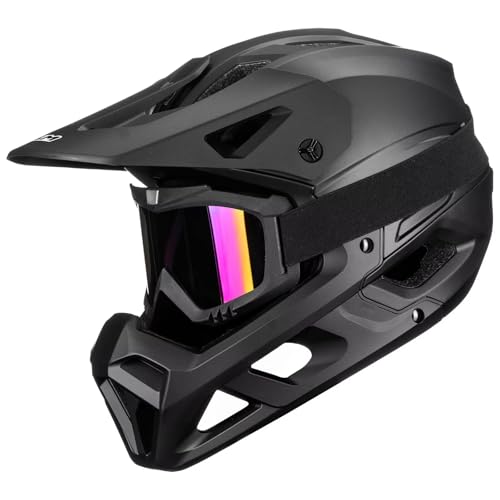
ILM Mountain Bike MTB Full Face Helmet Adults Adjustable Size Dial BMX HT58 | CPSC ASTM Certified, Upgraded Impact-absorbing GEPS Foam, EPP Chin Guard, with Wind Goggles, for Off Road Ebike Dirt Bike
For a broader comparison of full face options across price tiers and styles, see 6 Best Full Face MTB Bike Helmets for Downhill and Enduro (2026).
Finally, fit and replacement matter. Replace any helmet after a significant impact, even if no visible damage appears, and discard it if the shell cracks or the liner is compressed. Helmets also degrade over time from sun, sweat and general wear, so inspect yours regularly.
FAQ
Is the Troy Lee Designs Stage full face helmet good for beginners?
It can be, provided the fit is right and you are comfortable with the extra weight and heat. Beginners who ride mostly gentle trails may find an open face easier to live with, but riders who expect to ride steep terrain will appreciate the chin coverage.
Does this helmet have MIPS?
Yes. The listing states that it is MIPS equipped. MIPS is designed to reduce rotational forces during angled impacts, but it does not make a helmet crash-proof.
What size should I order?
The listing shows MD/LG. Measure your head circumference and compare it with the manufacturer’s size chart. If you fall near the border between sizes, try the helmet on in person if possible, since chin bar and cheek pad fit vary by head shape.
How hot is a full face mountain bike helmet on climbs?
Full face helmets generally run warmer than open face designs because of the chin bar and enclosed rear coverage. Owners often mention that heat becomes most noticeable on long, sustained climbs in warm weather. A light cap liner and breathable base layer can help.
Can I wear goggles with this helmet?
Most full face helmets are designed to work with goggles, but fit varies by goggle frame and helmet shape. Check the goggle manufacturer’s compatibility notes and try the combination together before a long ride.
How long does a full face helmet last?
Manufacturers typically recommend replacing a helmet after a crash, and many suggest replacement after a set number of years depending on use and storage. Inspect the shell and liner regularly and follow the manufacturer’s guidance for your specific model.
Is this helmet suitable for BMX?
The listing includes BMX among its intended uses, so it is designed to be used across several disciplines. BMX riders should still check the fit, ventilation and visor or goggle setup against their own riding style.
Should I consult a professional about helmet fit or head injury risk?
Yes. If you have a history of head injury, a medical condition that affects balance, or questions about fit for a child, consult a physician, a certified bike fitter or a qualified retailer before you ride.
Final Verdict
The troy lee designs stage full face mountain bike helmet is a sensible choice for trail and enduro riders who want full chin coverage, MIPS rotational protection and a lighter-than-downhill feel. Its main tradeoffs are heat, a fit that must be checked carefully, and the reduced airflow inherent to full face designs. If you ride steep, technical terrain and can accept those compromises, it is a solid option to consider. If you prioritize ventilation on long climbs, or if your head size falls outside the listed range, look at the alternatives above or an open face design instead.
View on AmazonAbout Ethan Brooks
Ethan Brooks is part of our editorial team and reviews and edits our bike helmets & cycling safety guides, checking product details against manufacturer specifications and owner feedback.
About the author
Ethan Brooks writes reviews and buying guides for Bike Helmet Snow.