6 Best Convertible Mountain Bike Helmets for Trail Riders (2026)
Compare six convertible mountain bike helmets with removable chin bars. Learn fit, safety standards and which model suits your riding style before you buy.
 By Audrey Brooks
Updated November 2026
A convertible mountain bike helmet lets you ride with an open-face trail shell for climbing and cooling, then add a removable chin bar when the descents get steep. That flexibility is why this style has become popular with riders who do a mix of cross-country, trail and enduro. The six picks below were selected by reviewing manufacturer specifications, brand reputation for protection and ventilation, and the patterns owners tend to mention in their feedback, including fit comfort, chin bar security and how well the visor holds up. None of these helmets were tested in a lab or on the trail by the author. Every helmet should meet a recognized standard such as CPSC or CE EN 1078, and the sizing and fit advice here applies to any convertible model you consider.
Our top picks at a glance
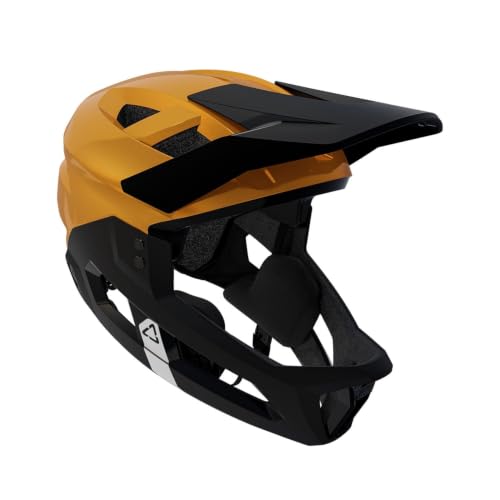
- 1TOP CHOICEBest overallLeatt MTB Enduro 2.0 HelmetView on Amazon
- 2
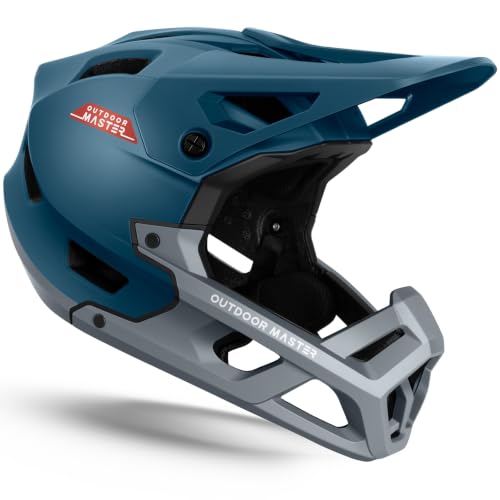 TOP CHOICEBest for full-face protection on steep descentsOutdoorMaster Full Face Mountain Bike HelmetView on Amazon
- 3
 TOP CHOICEBest for gravity-focused downhill ridingBell Super DH MIPS Spherical HelmetView on Amazon
- 4
 Best for commuters and e-bike ridersFavoto Mountain Bike HelmetView on Amazon
- 5
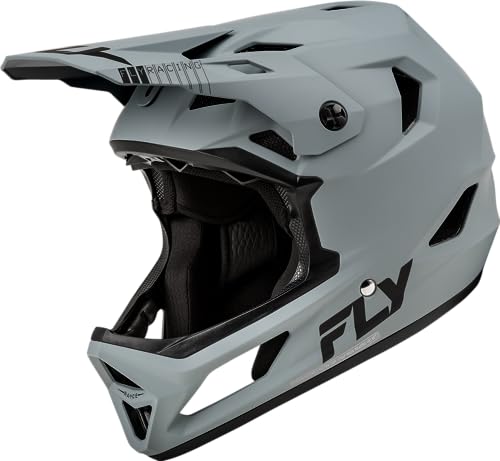 Best for everyday trail ridingFly Racing Rayce MTB/BMX HelmetView on Amazon
- 6
 Best budget pickBATFOX Bike HelmetView on Amazon
Our Top Picks
Quick Comparison
| Product | Best for | Key feature |
|---|---|---|
| Leatt MTB Enduro 2.0 Helmet | Riders who want one helmet for trail and enduro | Detachable full-face chin bar with adjustable visor |
| OutdoorMaster Full Face Mountain Bike Helmet | Steep descents on a budget-conscious setup | Two removable chin pads and full-face coverage |
| Bell Super DH MIPS Spherical Helmet | Gravity-focused downhill riding | MIPS low-friction liner and spherical shell design |
| Favoto Mountain Bike Helmet | Commuters and e-bike riders | Dual-shell construction and magnetic buckle |
| Fly Racing Rayce MTB/BMX Helmet | Everyday trail riding and BMX | Lightweight open-face shell with a compact fit |
| BATFOX Bike Helmet | Entry-level riders and a budget pick | Adjustable fit system across multiple sizes |
Leatt MTB Enduro 2.0 Helmet
Leatt MTB Enduro 2.0 Helmet – Detachable Full Face & Convertible Mountain Bike Helmet with Removable Chin Bar & Adjustable Visor (Junior XS 50-54cm, Red)
Best for: Riders who want one convertible helmet for trail riding and enduro
This is a detachable full-face and convertible design, aimed at riders who spend most of their time on mixed terrain and want the option to add chin protection when the trail turns aggressive. It fits best for riders who ride a variety of trails and value a helmet that moves between open-face and full-face configurations.
Key specs:
- Detachable full-face chin bar
- Adjustable visor
- Available in a junior XS size range (50–54 cm) per the listing
Pros:
- Clear convertible design for mixed riding
- Adjustable visor helps with sun and debris
- Well-known brand focused on neck and head protection
Cons:
- Chin bar adds weight and heat compared with an open-face helmet
- Sizing runs by head circumference, so careful measurement is needed
Bottom line: A strong choice for riders who want one helmet that handles both climbing and aggressive descents.
View on AmazonOutdoorMaster Full Face Mountain Bike Helmet
OutdoorMaster Full Face Mountain Bike Helmet for Men & Women-Two Removable Chin Pad Mountain Bike Helmet Grizzly, Ventilation Lightweight Racing Downhill DH BMX MTB Helmet (Azure Blue, Large)
Best for: Steep descents on a budget-conscious setup
This full-face helmet includes two removable chin pads, which lets riders adjust the coverage and ventilation depending on the ride. It suits riders who want full-face protection without a premium price tier and who expect to ride steep terrain.
Key specs:
- Full-face design with two removable chin pads
- Ventilation-focused lightweight shell
- Listed in a large size in the product name
Pros:
- Removable chin pads add versatility
- Full-face coverage for downhill and BMX
- Strong value for riders building a first full-face setup
Cons:
- Full-face helmets run hot on climbs
- Fit and comfort vary across owner reports, so trying it on is important
Bottom line: Best for riders who want serious chin coverage for steep, fast descents.
View on AmazonBell Super DH MIPS Spherical Helmet
Bell Bike Super Dh MIPS Spherical Helmet Fasthouse Matte Red/Black Medium
Best for: Gravity-focused downhill riding
Bell’s Super DH line is built for downhill riding, and the MIPS version adds a low-friction liner designed to reduce rotational forces in certain impacts. It fits riders who spend their time on lift-served or gravity trails and want a helmet built around that use.
Key specs:
- MIPS low-friction liner
- Spherical shell design
- Full-face downhill configuration
Pros:
- MIPS adds a rotational-impact layer
- Established downhill heritage from a major helmet brand
- Solid fit for gravity riding
Cons:
- Heavier and warmer than trail-focused convertibles
- Overkill for casual cross-country riding
Bottom line: The right pick for riders who prioritize downhill protection above weight and airflow.
View on AmazonFavoto Mountain Bike Helmet
Favoto Mountain Bike Helmet for Adult, Dark Green, L (59-61 cm) | MTB Helmet Men & Women, Magnetic Buckle & Visor, 338g, Dual-Shell, Meets CPSC and CE Standards, Ebike & Commuter Use
Best for: Commuters and e-bike riders
This dual-shell helmet is designed for adult riders who use MTB helmets on commutes and e-bikes as well as trails. The magnetic buckle and visor make it easy to put on and adjust for daily use.
Key specs:
- Dual-shell construction
- Magnetic buckle and visor
- Listed size L (59–61 cm) and a weight of 338 g per the product name
Pros:
- Easy magnetic buckle for quick adjustments
- Listed as meeting CPSC and CE standards
- Suitable for commuting as well as trail use
Cons:
- Not a true full-face or detachable chin bar design
- Less specialized for aggressive downhill riding
Bottom line: A practical, everyday convertible-style pick for mixed commuter and e-bike use.
View on AmazonFly Racing Rayce MTB/BMX Helmet
Fly Racing Rayce MTB/BMX Bicycle Helmet (Matte Grey, Large)
Best for: Everyday trail riding and BMX
The Rayce is an open-face MTB and BMX helmet aimed at riders who want a lighter, cooler shell for regular trail sessions and park riding. It suits riders who mostly ride open-face and want a helmet that does not feel bulky on climbs.
Key specs:
- Open-face MTB/BMX shell
- Large size listed in the product name
- Matte finish
Pros:
- Lighter feel for long climbs
- Versatile across MTB and BMX riding
- Clean, understated styling
Cons:
- No full-face or removable chin bar option
- Limited chin coverage for downhill use
Bottom line: Good for riders who mainly ride open-face trails and want comfort on climbs.
View on AmazonBATFOX Bike Helmet
BATFOX Bike Helmet, Mountain Bike Helmet for Men Women Adults Youth (Black, L(58-61CM))
Best for: Entry-level riders on a budget
BATFOX offers a general-purpose mountain bike helmet that works for men, women and youth riders across a range of sizes. It is a sensible starting point for riders who are new to trail riding and want a helmet without a premium price tier.
Key specs:
- Listed size L (58–61 cm)
- Designed for adult and youth riders
- Black colorway
Pros:
- Budget-friendly entry point
- Suitable for a wide range of riders
- Simple, familiar open-face design
Cons:
- Limited feature set compared with specialized trail or downhill models
- Owners often mention fit adjustments, so measuring first matters
Bottom line: A reasonable choice for beginners who want basic protection for casual trail riding.
View on AmazonBuying Guide
Convertible design and chin bar security
Check how the chin bar attaches. Most convertible helmets use a clip or pin system that should click firmly into place with no play when you shake the chin bar. Read the manufacturer instructions for removal, and confirm the helmet is still certified when the chin bar is off. Riders who remove the chin bar on climbs should make sure the open-face shell meets the same standard.
Good picks for this: Leatt MTB Enduro 2.0 Helmet, OutdoorMaster Full Face Mountain Bike Helmet
Safety standards and certification
Look for a label or manufacturer statement referencing CPSC (US) or CE EN 1078 (Europe). Many trail helmets also use MIPS or a similar rotational-impact liner. A certification mark tells you the helmet passed a baseline impact test, not that it protects against every injury, so pair it with sound riding decisions.
Good picks for this: Bell Super DH MIPS Spherical Helmet, Favoto Mountain Bike Helmet
Size and fit
Measure your head about one inch above your eyebrows and around the widest part. Helmet sizes are usually given as a head circumference range in centimeters. The helmet should sit level on your head, cover your forehead with about two finger-widths of space above the eyebrows, and stay put when you shake your head without the strap loose. Chin straps should form a V under each ear with the buckle snug under the chin.
Good picks for this: BATFOX Bike Helmet, Fly Racing Rayce MTB/BMX Helmet
Riding style and terrain
Cross-country and trail riders usually want lighter open-face shells for airflow. Enduro and downhill riders often prefer added chin coverage. Commuters need a helmet that is comfortable to wear for longer periods and easy to adjust on and off.
Good picks for this: Fly Racing Rayce MTB/BMX Helmet, OutdoorMaster Full Face Mountain Bike Helmet
Weight, ventilation and comfort
Weight matters on long climbs, and so does ventilation. Full-face and convertible designs with a chin bar attached are typically heavier and warmer. Look at the vent count and pad system, and expect a short break-in period as the padding settles.
Good picks for this: Fly Racing Rayce MTB/BMX Helmet, Favoto Mountain Bike Helmet
Visors, goggles and accessories
A visor helps keep sun and rain out of your eyes. If you wear goggles, check that the helmet’s shell and visor leave enough room for a strap to sit comfortably. Adjustable visors that fold or lock in position can make a difference on variable terrain.
Good picks for this: Leatt MTB Enduro 2.0 Helmet, Favoto Mountain Bike Helmet
Care, replacement and crash history
Replace any helmet after a significant crash, even if no damage is visible, because the foam can compress and lose protection. Clean the pads with mild soap, avoid harsh solvents, and store the helmet out of direct sun and heat. Follow the manufacturer’s replacement guidance, typically a fixed number of years from the manufacture date.
Good picks for this: Bell Super DH MIPS Spherical Helmet, BATFOX Bike Helmet
FAQ
What is a convertible mountain bike helmet?
A convertible mountain bike helmet is designed so that a removable chin bar can be attached or detached, allowing the helmet to be used as an open-face trail helmet or as a full-face helmet. This gives riders flexibility across different terrain.
Are convertible helmets as safe as full-face helmets?
A convertible helmet is only as protective as its configuration allows. With the chin bar attached, it provides full-face coverage. With the chin bar removed, it offers open-face protection that is appropriate for trail riding but provides less chin coverage. Check the manufacturer’s guidance for each configuration.
How do I know my helmet size?
Measure the circumference of your head about one inch above your eyebrows and compare it to the manufacturer’s size chart. Sizes are typically listed in centimeters. If you fall between sizes, choose the one that fits snugly and adjust with the internal fit system.
Should I replace my helmet after a crash?
Yes. Most manufacturers recommend replacing a helmet after any significant impact because the protective foam may be compromised even when damage is not visible. Check the manufacturer’s guidance for your specific model.
What does MIPS do?
MIPS is a low-friction liner designed to allow a limited amount of rotation between the helmet and the head during certain angled impacts. Many manufacturers include it as an added layer of protection. It does not replace a certified helmet, and not every model includes it.
How long do bike helmets last?
Many manufacturers suggest replacing helmets after a fixed number of years from the date of manufacture, along with immediately after a crash. Check the label inside the helmet and the manufacturer’s guidance for the exact recommendation.
Can I use a convertible helmet for commuting?
Yes, many riders use MTB helmets for commuting. Choose a helmet that is comfortable for longer wear, has good ventilation, and includes a visor if you ride in sun or rain. Consider a model with reflective elements or a light mount for low-light conditions.
Conclusion
For most riders who want one convertible helmet for mixed trail and enduro riding, the Leatt MTB Enduro 2.0 Helmet is the most direct match for the convertible concept. Riders focused on steep, fast descents may prefer the OutdoorMaster Full Face Mountain Bike Helmet or the Bell Super DH MIPS Spherical Helmet. Commuters and e-bike riders will likely find the Favoto Mountain Bike Helmet practical, while the Fly Racing Rayce MTB/BMX Helmet suits open-face trail riding, and the BATFOX Bike Helmet offers a basic entry point. Measure your head, check the certification, and try the helmet on before you ride. For questions about injury protection or medical concerns, consult a qualified medical professional or a certified bike fitter.
Sources
- Federal safety standards and recall information for bicycle helmets sold in the United States (cpsc.gov)
- Bicycle safety guidance and crash data from the US National Highway Traffic Safety Administration (nhtsa.gov)
- Injury prevention information on bicycle helmet use and head injury (cdc.gov)
Related reading
- Youth Full Face Mountain Bike Helmet: How to Choose and Fit One Safely
- Women's Mountain Bike Helmet: 7 Best Picks for Trail Riders (2026)
- TLD Mountain Bike Helmet: How to Choose, Fit and Use One Safely

About Audrey Brooks
Audrey writes about bike helmets & cycling safety. Each guide starts with research into how products are built and what owners report after months of use, and is revised when better options appear.
About the author
Audrey Brooks writes reviews and buying guides for Bike Helmet Snow.