Full Face Mountain Bike Helmet MIPS: 5 Best Picks for Trail and Downhill (2026)
Compare 5 full face mountain bike helmet MIPS options for downhill and trail riding. See fit, ventilation, chin protection and who each helmet suits.
 By Ethan Brooks
Updated November 9, 2026
 By Ethan Brooks
Updated November 2026
Choosing a full face mountain bike helmet MIPS model comes down to three things: how well it protects your face and jaw, how it fits your head shape, and whether its rotational impact system suits the terrain you ride. This guide compares five helmets that cover downhill, enduro and trail use. Each pick is chosen against the same criteria: published specifications, brand reputation for protection standards, and patterns in owner feedback about fit, ventilation and comfort. None of these helmets were lab tested or worn by the author, so treat the details below as a starting point and confirm sizing and certification on the product page before you buy.
Our top picks at a glance
- 1TOP CHOICEBest overallOutdoorMaster MIPS Full Face MTB HelmetView on Amazon
- 2
 TOP CHOICEBest for enduro and trail riders who want a lighter buildTroy Lee Designs Stage HelmetView on Amazon
- 3
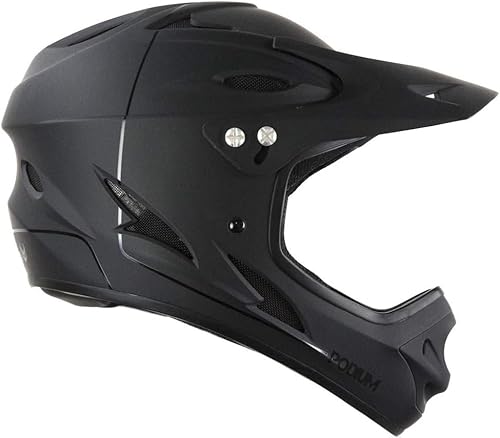 TOP CHOICEBest for riders who want a classic downhill shellDEMON UNITED Podium Full Face Mountain Bike HelmetView on Amazon
- 4
 Best for a modern, adjustable fitiXS Helmet Trigger FF MIPSView on Amazon
- 5
 Best budget pickBell Super DH MIPS SphericalView on Amazon
Our Top Picks
Quick Comparison
| Product | Best for | Key feature |
|---|---|---|
| OutdoorMaster MIPS Full Face MTB Helmet | Downhill and general MTB riders | MIPS plus 27 vents and a washable liner |
| Troy Lee Designs Stage Helmet | Enduro and trail riders | Lightweight full-face build with MIPS |
| DEMON UNITED Podium Full Face Mountain Bike Helmet | Riders wanting a traditional downhill fit | MIPS technology in a full-face shell |
| iXS Helmet Trigger FF MIPS | Trail riders who value adjustability | MIPS with adjustable fit system |
| Bell Super DH MIPS Spherical | Riders wanting a budget-minded downhill option | Spherical MIPS shell for downhill use |
OutdoorMaster MIPS Full Face MTB Helmet
OutdoorMaster MIPS Full Face MTB Helmet, Lightweight Ventilated for DH | MIPS Safety, Fits 54-62cm, PC+EPP, 27 vents, Washable liner, 2 D-rings, Goggle channel, Visor, For downhill/MTB/BMX
Best for: Downhill and general MTB riders who want full coverage with a generous vent count.
This helmet suits riders who spend long days on steep descents or bike parks and want a full-face design with strong ventilation. Its fit range is listed as 54 to 62 cm, which covers most adult heads when sized correctly.
Key specs
- MIPS safety system
- Fits 54–62 cm head circumference
- PC shell with EPP liner
- 27 vents
- Washable liner
- Two D-rings, goggle channel and visor
Pros
- Wide size range for an adult fit
- High vent count suited to climbing as well as descending
- Removable, washable liner simplifies cleaning
Cons
- Full-face weight is noticeable on long climbs compared with trail-focused lids
- Owners often recommend trying several sizes, since fit varies across head shapes
Bottom line: A strong all-round choice for riders who want MIPS and a wide fit range without moving into a premium-tier downhill helmet.
View on AmazonTroy Lee Designs Stage Helmet
Troy Lee Designs Stage Helmet Stealth Midnight MD/LG | Mips Equipped, Adult Mountain Bike, BMX, Enduro, Cycling Light-weight Full-face Helmet
Best for: Enduro and trail riders who want a lighter full-face helmet.
This model is aimed at riders who ride both pedaling and descending sections and want a full-face helmet that does not feel like a downhill lid on every ride. Troy Lee Designs is an established cycling brand, and its MIPS-equipped Stage model is widely discussed among enduro riders.
Key specs
- MIPS equipped
- Full-face, lightweight construction
- Designed for mountain bike, BMX and enduro use
- Available in multiple sizes, including MD/LG
Pros
- Lighter feel than many downhill-focused full-face helmets
- Established brand with a good reputation for fit and finish
- Suitable for varied terrain, from trail to bike park
Cons
- Ventilation is generally described as more modest than dedicated downhill lids
- Sizing runs by model range, so checking the size chart is important
Bottom line: Best suited to enduro and trail riders who want full-face protection without the bulk of a downhill-only design.
View on AmazonDEMON UNITED Podium Full Face Mountain Bike Helmet
DEMON UNITED Podium Full Face Mountain Bike Helmet Black Includes MIPS Technology (Large)
Best for: Riders who want a traditional downhill-style full-face shell with MIPS.
This helmet fits riders who prefer a classic full-face profile and value a helmet built around downhill and bike park use. It is a good option for those who want MIPS protection and a traditional fit.
Key specs
- MIPS technology included
- Full-face design
- Large size listed in this configuration
Pros
- Traditional full-face coverage for aggressive riding
- MIPS included in the standard build
- Simple, familiar fit for riders moving up from open-face helmets
Cons
- Limited detail in the listing about vent layout, so comfort on climbs is harder to judge
- Owners often mention checking the fit carefully against their head measurement
Bottom line: A good fit for riders who want a conventional downhill full-face helmet with MIPS and do not need the latest adjustable features.
View on AmazoniXS Helmet Trigger FF MIPS
iXS Helmet Trigger FF MIPS Black ML (58-62cm) | Full-face mountain bike helmet with MIPS technology, lightweight construction and adjustable fit for trail riding.
Best for: Trail riders who want a full-face helmet with an adjustable, secure fit.
This helmet is aimed at riders who want full-face coverage for technical trail riding and value a helmet that can be fine-tuned to their head shape. It suits riders who ride a mix of climbs and descents.
Key specs
- MIPS technology
- Full-face, lightweight construction
- Adjustable fit system
- Size listed as ML (58–62 cm)
Pros
- Adjustable fit helps dial in comfort and security
- Designed for trail as well as aggressive riding
- MIPS included for rotational impact protection
Cons
- Fewer ventilation details are given in the listing than for some competitors
- Riders with unusual head shapes may need to compare sizing carefully
Bottom line: A solid pick for trail riders who want a full-face helmet that they can adjust for a secure, customized fit.
View on AmazonBell Super DH MIPS Spherical
Bell Bike Super Dh MIPS Spherical Helmet Fasthouse Matte Red/Black Medium
Best for: Riders wanting a downhill-focused full-face helmet at a budget-minded level.
This helmet suits riders who mainly descend and want a recognized downhill lid with MIPS and a spherical shell. Bell is a long-established helmet maker, which many riders consider a reassuring factor.
Key specs
- MIPS technology
- Spherical shell design
- Medium size listed in this configuration
Pros
- Recognized downhill design from an established brand
- MIPS included as standard
- Straightforward, no-frills fit for descending
Cons
- Downhill-oriented weight and ventilation may feel heavy on long climbs
- Limited color and size options in some listings, so check availability early
Bottom line: Worth a look for riders who mostly descend and want a dependable downhill full-face helmet with MIPS.
View on AmazonBuying Guide
MIPS and rotational impact protection
MIPS (Multi-directional Impact Protection System) is a low-friction liner designed to allow a small rotational movement of the head during an angled impact, which can reduce rotational forces transferred to the brain. It is not a substitute for a certified helmet shell, but many riders look for it on full-face models because angled crashes are common on steep terrain. Confirm the helmet is certified to the standards that apply to your riding and check that MIPS is clearly stated on the product.
Good picks for this: OutdoorMaster MIPS Full Face MTB Helmet, Bell Super DH MIPS Spherical
Coverage and chin bar design
Full-face helmets extend coverage to the jaw and chin. Look for a chin bar that sits low enough to protect the jaw without interfering with your goggles or mouth breathing during hard efforts. Check that the visor and goggle channel clear your eyewear when the chin bar is closed.
Good picks for this: DEMON UNITED Podium Full Face Mountain Bike Helmet, Troy Lee Designs Stage Helmet
Size and fit
Measure your head circumference about one inch (2.5 cm) above your eyebrows and ears using a soft tape. Use the manufacturer’s size chart, since sizing differs between brands and models. A correct fit should sit level on the head, with the front edge about one finger width above your eyebrows and the straps forming a V under each ear. Full-face helmets also need the chin bar to sit close to the jaw without pressing. If you can rotate the helmet by grabbing the front and rear, it is too loose.
Good picks for this: OutdoorMaster MIPS Full Face MTB Helmet, iXS Helmet Trigger FF MIPS
Ventilation and weight
Full-face helmets are heavier than trail-focused lids, and weight matters most on long climbs. Owners often note that high vent counts help in warm weather, though a well-ventilated helmet still traps heat compared with an open-face model. Consider where you ride: steep, sustained climbs favor lighter, more vented designs, while bike park and downhill riding prioritize protection over weight.
Good picks for this: OutdoorMaster MIPS Full Face MTB Helmet, Troy Lee Designs Stage Helmet
Your riding style and terrain
Match the helmet to how you ride. Downhill and bike park riders often want a dedicated downhill shell with maximum coverage. Enduro and trail riders usually prefer a lighter full-face model that still handles long days in the saddle. If you mostly ride flat or gently rolling terrain, a full-face helmet may be more than you need, and a trail-oriented open-face model could be more comfortable.
Good picks for this: Bell Super DH MIPS Spherical, Troy Lee Designs Stage Helmet
Adjustability and retention
A good retention system holds the helmet firmly without pressure points. Look for a dial or adjustable strap system that lets you fine-tune the fit, and check that the chin strap sits comfortably under the jaw. Owners frequently mention that adjustability makes it easier to achieve a secure fit on different head shapes.
Good picks for this: iXS Helmet Trigger FF MIPS, DEMON UNITED Podium Full Face Mountain Bike Helmet
Care, inspection and replacement
Replace any helmet after a significant impact, even if no damage is visible, because the protective foam can be compressed without obvious signs. Check the shell, liner and straps regularly for cracks, loose parts or fraying. Most manufacturers recommend replacing helmets every few years or sooner if they have been exposed to heavy sun, sweat or chemicals. Clean removable liners with mild soap and water and let them air dry away from direct heat.
Good picks for this: OutdoorMaster MIPS Full Face MTB Helmet, Bell Super DH MIPS Spherical
FAQ
What does MIPS do in a full face mountain bike helmet?
MIPS is a liner system designed to allow a small rotational movement between the helmet and the head during an angled impact. The goal is to reduce the rotational forces that can reach the brain. It works alongside the helmet’s shell and foam, which handle the direct impact.
Is a full face helmet necessary for trail riding?
It depends on terrain and risk tolerance. Full-face helmets offer jaw and chin protection that open-face helmets do not. Many trail riders choose open-face models for comfort on climbs, while those riding steep, technical or bike park terrain often prefer full-face coverage.
How do I know if a full face helmet fits correctly?
Measure your head and use the manufacturer’s size chart. The helmet should sit level, with the front about a finger width above your eyebrows, and it should not rotate when you twist it by hand. The chin bar should sit close to the jaw without pressing. Consult a qualified bike fitter or a shop staff member if you are unsure.
How often should I replace my helmet?
Replace the helmet after any significant crash, even if it looks undamaged. Otherwise, most manufacturers suggest replacing helmets every few years, depending on use, storage and exposure to sun and sweat. Check the owner’s manual or the manufacturer’s guidance for the specific model.
Can I use goggles with a full face helmet?
Most full-face helmets include a goggle channel or a design that accommodates goggles. Check that the goggles you plan to use fit between the visor and the chin bar. Test the fit with the helmet on before riding.
Are full face helmets hot to wear?
They are generally warmer than open-face helmets because of the added coverage. Vent count, liner design and airflow through the chin bar all affect comfort. Owners often report that heat is more noticeable on sustained climbs in warm weather.
Should I consult a professional before buying?
Yes, if you are unsure about sizing, certification or the right helmet for your riding. A bike shop or certified fitter can help with measurement and fit. For questions about protective equipment for a medical condition, consult a qualified healthcare professional.
Conclusion
For most riders, the OutdoorMaster MIPS Full Face MTB Helmet is a sensible starting point because it combines MIPS, a wide fit range and a high vent count. Riders who ride enduro and trail terrain may prefer the lighter feel of the Troy Lee Designs Stage Helmet. Those who want a traditional downhill shell should look at the DEMON UNITED Podium or the Bell Super DH MIPS Spherical. The iXS Helmet Trigger FF MIPS suits trail riders who value an adjustable fit. Whatever you choose, measure your head, check the size chart and confirm the helmet meets the standards that apply to your riding.
Sources
- Consumer safety guidance on bicycle helmet fit, use and replacement after impacts (cpsc.gov)
- Information on bicycle safety and protective equipment (nhtsa.gov)
- Guidance on preventing head injuries during cycling (cdc.gov)
Related reading
- Youth Full Face Mountain Bike Helmet: How to Choose and Fit One Safely
- Full Face Downhill Mountain Bike Helmet: 6 Best for Gravity Riding (2026)
- 6 Best Mountain Bike Helmet Full Faces: Top Picks for Downhill and Trail (2026)
- 5 Best Full Face Mountain Bike Helmets with Removable Chin Guard (2026)
- Open Face Mountain Bike Helmet: 7 Best Picks for Trail Riders (2026)
About Ethan Brooks
Ethan Brooks is part of our editorial team and reviews and edits our bike helmets & cycling safety guides, checking product details against manufacturer specifications and owner feedback.
About the author
Ethan Brooks writes reviews and buying guides for Bike Helmet Snow.