Military Helmet for Bike vs Standard Cycling Helmet: Which Is Better?
Considering a military helmet for bike riding? Compare protection, ventilation, fit and weight against standard cycling helmets to see which suits you.
 By Ethan Brooks
Updated November 9, 2026
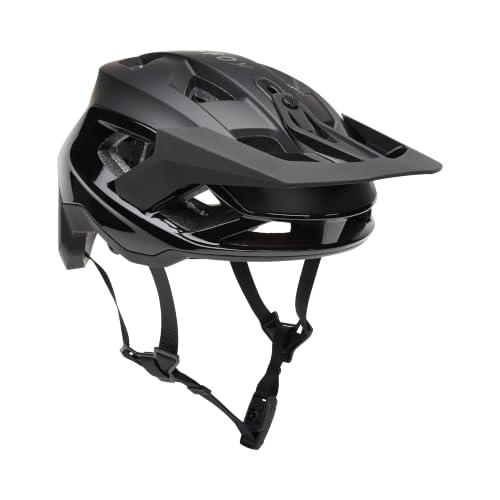 By Ethan Brooks
Updated November 2026
A military helmet for bike use can look tough and offer a lot of coverage, but it was designed for a different job than a cycling helmet. For most riders, a certified bicycle helmet is the better choice because it is built around impact protection from falls, ventilation for sustained effort and a fit that stays put at speed. A military-style shell may suit a rider who wants a rugged look for short, low-speed commuting and accepts trade-offs in airflow, weight and certification. This comparison looks at the two options side by side so you can decide which one fits how you ride.
Quick Comparison: Military Helmet vs Standard Cycling Helmet
| Criterion | Military-Style Helmet | Standard Cycling Helmet |
|---|---|---|
| Design purpose | Ballistic or ground-combat protection | Impact protection during bicycle falls |
| Relevant safety standard | Military or ballistic specifications, not bike standards | CPSC (US), often alongside ASTM or EN 1078 depending on model |
| Ventilation | Limited; often a closed shell with few vents | Multiple vents and channels designed for airflow |
| Weight | Generally heavier | Generally lighter and balanced for neck comfort |
| Fit system | Often a suspension liner or chinstrap only | Dial or ratchet retention with adjustable straps |
| Visor or eye protection | Usually none, or a goggle mount | Usually none, but compatible with some visors or glasses |
| Visibility options | Rarely designed for lights or reflective mounts | Common mounts for lights and reflective accessories |
| Best for | Short rides, rugged looks, specific protective roles | Road, commuting, trail and general cycling |
Protection and Safety Standards: Which Wins?
The most important criterion is how the helmet protects your head in a bicycle crash. Standard cycling helmets are tested for impact absorption at specific drop heights and against anvils that simulate pavement, curbs and other common surfaces. In the United States, bicycle helmets sold for riders are subject to the Consumer Product Safety Commission standard (16 CFR 1203). Many models also carry additional certifications such as ASTM F1447 or EN 1078, depending on the manufacturer.
A military helmet, by contrast, is typically engineered against ballistic threats or blunt force in combat environments. Those tests do not measure the type of linear impact that happens when a cyclist hits the ground at 15 or 20 miles per hour. A helmet that stops a fragment may still transmit substantial force to the skull in a bike fall, and the shell geometry is not optimized for rolling impacts on pavement.
Winner: Standard cycling helmet. A helmet certified for bicycle impacts is the appropriate choice for cycling. Look for the CPSC sticker inside the shell and check the manufacturer’s listed standards. If you want extra protection, some riders consider full-face or MTB-style designs; for example, guidance on Youth Full Face Mountain Bike Helmet: How to Choose and Fit One Safely explains how coverage changes with design.
Ventilation and Comfort: Which Wins?
Cycling generates heat, and a helmet that traps it can lead to fatigue, sweat in the eyes and reduced concentration. Standard cycling helmets use large intake vents at the front and exhaust channels at the rear, often with internal foam channeling to move air across the scalp. Many riders find this makes a noticeable difference on climbs and in warm weather.
Military-style helmets are usually closed shells with limited ventilation, because sealing the head is part of their design goal. Owners of these helmets often report feeling hot after twenty or thirty minutes of pedaling, especially in summer. The pads inside are typically built for shock absorption in a different context, so they may not wick moisture the way cycling liners do.
Winner: Standard cycling helmet. If you ride more than a few kilometers at moderate effort, ventilation matters a great deal for comfort and attention on the road.
Weight and Balance: Which Wins?
Helmet weight affects neck fatigue, particularly on long rides or in a forward riding position. Most road and commuter cycling helmets sit in a lighter range, and many manufacturers distribute mass to keep the center of gravity close to the head. Military helmets are often heavier, sometimes with accessories or added padding that shifts balance.
Neck strain is more noticeable than many new riders expect. If you feel the helmet pulling backward or forward when you look over your shoulder, that is a sign of poor balance or fit, and it can affect your ability to check traffic safely.
Winner: Standard cycling helmet. Its lighter weight and purpose-built balance make it easier to wear for an entire commute or ride.
Fit and Retention: Which Wins?
A correct fit is what keeps a helmet on your head and in the right position during a crash. For a cycling helmet, the standard method is to measure head circumference about one inch above the eyebrows and choose the size on the manufacturer’s chart. Then adjust the dial retention so the helmet sits level, just above the eyebrows, with the front edge about two finger-widths above them. The side straps should form a V under each ear, and the chinstrap should allow one or two fingers between the strap and your chin.
Military-style helmets often rely on a suspension liner, a chin cup or a webbing harness rather than a cycling-style dial. These systems can be adjusted for a secure feel, but they were not designed around cycling head movements, and the helmet may shift when you turn your head or bend forward into the handlebars.
Winner: Standard cycling helmet. A dial-retention system and cycling-specific straps are easier to fine-tune and more likely to stay stable at speed. If you are fitting a helmet for a younger rider, the guide on Visor on Bike Helmet: How to Choose, Fit and Use One Safely (2026) shows how accessories can change fit, which applies to other add-ons as well.
Visibility and Accessories: Which Wins?
Being seen matters as much as being protected. Standard cycling helmets frequently include rear light mounts, reflective panels or compatibility with clip-on accessories. Some riders add stickers or reflective elements to improve visibility, although those should never be applied in ways that compromise the shell. For a sense of how decals and reflective elements are handled on the market, see Sticker for Bike Helmet: How to Choose, Apply and Keep It Safe (2026).
Military helmets generally lack built-in visibility features. Adding a light or reflective strip often means improvising a mount, which may be unstable or interfere with the fit system.
Winner: Standard cycling helmet. Purpose-built mounts and reflective options are a practical advantage for commuting and night riding.
Appearance and Style: Which Wins?
Some riders are drawn to the rugged look of a military helmet, and that is a valid preference. Matte olive, tan or black shells can look striking on a bike, and the style has a following among urban riders and collectors. Cycling helmets come in a wide range of colors and finishes, from minimal road designs to bold retro patterns. If style is part of your reason for choosing a helmet, the options in Retro Style Bike Helmet Picks: 6 Best Options for City Riders (2026) show how design can be combined with cycling-focused construction.
Winner: Depends on preference. Military-style helmets win on rugged aesthetics, while cycling helmets offer more variety in styles that still meet cycling needs.
Which Should You Choose?
- Choose a standard cycling helmet if you ride on roads, paths or trails, commute daily, ride in warm weather or ride for more than about thirty minutes at a time.
- Choose a standard cycling helmet if you want a certified impact rating for bicycle falls and a fit system built for head movement.
- Choose a standard cycling helmet if you plan to add lights, reflective mounts or eyewear.
- Consider a military-style helmet only if you ride very short distances at low speed, want a specific look and understand that it is not certified as a bicycle helmet.
- Consider a military-style helmet if you need it for a non-cycling role that a military specification addresses, and you still use a bicycle-certified helmet while cycling.
Many riders who love the military look find a middle path: a cycling helmet in a matte olive or tan finish. That approach keeps the aesthetic while preserving bicycle certification and ventilation.
Product options to compare:
- Military-style option: View on Amazon
- Standard cycling option: View on Amazon
FAQ
Is a military helmet legal to ride a bicycle with?
Laws on helmet use vary by state and locality, and many jurisdictions require only a helmet that meets a recognized bicycle standard or none at all for adults. Check your local rules, but note that a military helmet is not certified as a bicycle helmet, so it would not satisfy a requirement for a CPSC-compliant helmet.
Does a military helmet protect better than a bike helmet?
Not in a bicycle crash. Military helmets are built against ballistic or blunt threats, while bike helmets are tested for impacts typical of falls at riding speeds. For cycling, a helmet certified to a bicycle standard is the relevant comparison.
Can I add a light or visor to a military-style helmet?
Sometimes, but the mounting is often improvised and may not be secure. Visors designed for cycling helmets are usually built around specific shell shapes and strap points. Check compatibility before attempting an installation.
How do I know if a bike helmet fits correctly?
Measure your head about one inch above the eyebrows, choose the matching size and adjust the dial until the helmet sits level with the front edge about two finger-widths above the eyebrows. The side straps should form a V under each ear, and the chinstrap should allow one or two fingers beneath it. Replace any helmet that has been in a crash or shows cracks, even if the damage is not obvious. If you have a medical condition or questions about head injury risk, consult a physician or a qualified bicycle safety instructor.
Are military helmets good for hot-weather cycling?
Generally no. Their closed designs tend to trap heat, and owners often report discomfort during extended rides. A cycling helmet with multiple vents and internal airflow channels is usually more suitable for warm conditions.
Conclusion
For most cyclists, a standard bicycle helmet is the clear choice. It is designed and tested for the impacts you are most likely to face, it ventilates well, it fits securely and it accepts lights and reflective accessories. A military helmet for bike use may appeal for its look or for a niche purpose, but it does not replace a certified cycling helmet. Choose the helmet that protects you in the crashes you are actually likely to have, fit it carefully and replace it after any significant impact.
About Ethan Brooks
Ethan Brooks is part of our editorial team and reviews and edits our bike helmets & cycling safety guides, checking product details against manufacturer specifications and owner feedback.
About the author
Ethan Brooks writes reviews and buying guides for Bike Helmet Snow.